
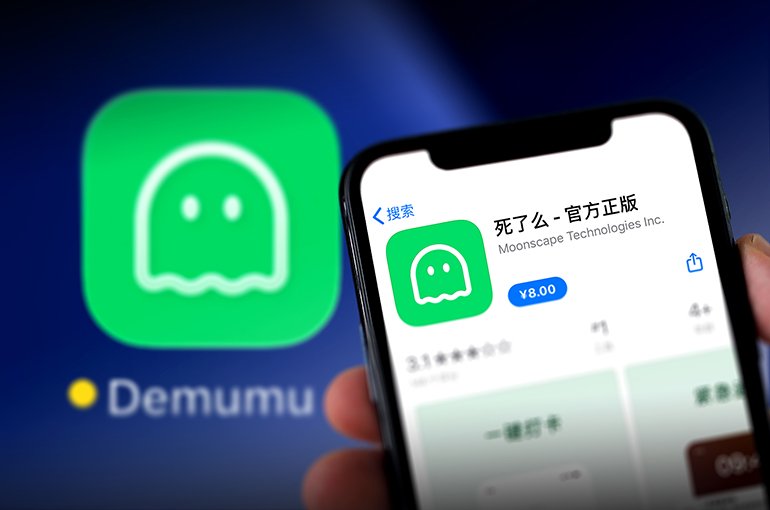
A starkly named mobile app called “Are You Dead?” (你还活着吗) has surged to the top of download charts in China, capturing the nation’s mood by turning social isolation into a gamified check-in ritual.
How it works: Users do not actively post. Instead, the app requires them to check in every 24 hours by answering a simple prompt: “Are you dead?” If they tap “No,” their check-in is recorded. If a user fails to check in, the app notifies their emergency contacts (set during registration) with a message implying the user might be in danger or deceased. There are no feeds, likes, or shares—only a log of one’s own “survival” streak and the ability to see if a few added friends are still “alive” in the app’s context.
Why it’s resonating: Analysts point to a perfect storm of societal factors:
The “tang ping” (lie flat) and “bai lan” (let it rot) youth movements, reflecting disillusionment with hyper-competitive social pressures.
An epidemic of loneliness, particularly among massive numbers of single-person households and migrant workers living far from family.
Digital alienation, where traditional social media feels performative and exhausting.
“It’s the lowest-effort, highest-consequence social contract possible,” said Dr. Li Wen, a sociologist at Fudan University. “It doesn’t ask you to be interesting or successful. It just asks if you exist, and ties that to a primal fear—dying alone unnoticed.”
Controversy: While many users call it a morbid yet comforting “digital lifeline,” critics warn of alarming downsides:
Crying wolf risks: Desensitizing emergency contacts to false alarms.
Mental health concerns: Framing daily existence as a binary between “alive” and “dead” could reinforce depressive mindsets.
Data privacy fears: The app collects sensitive networks of real-world relationships under a grim premise.
The bigger picture: The app is the latest in a series of Chinese digital phenomena addressing isolation, following “sad background music” platforms and AI companion services. It highlights a growing global tech trend: minimalist social platforms that prioritize existential reassurance over engagement metrics.
The developer, a small indie studio, says they never expected it to go viral. “We made it for ourselves and a few friends living alone,” said a representative. “Maybe that’s why it feels real.”
Stay informed. Stay ahead.