
— TEHRAN / WASHINGTON D.C.
Operation Epic Fury
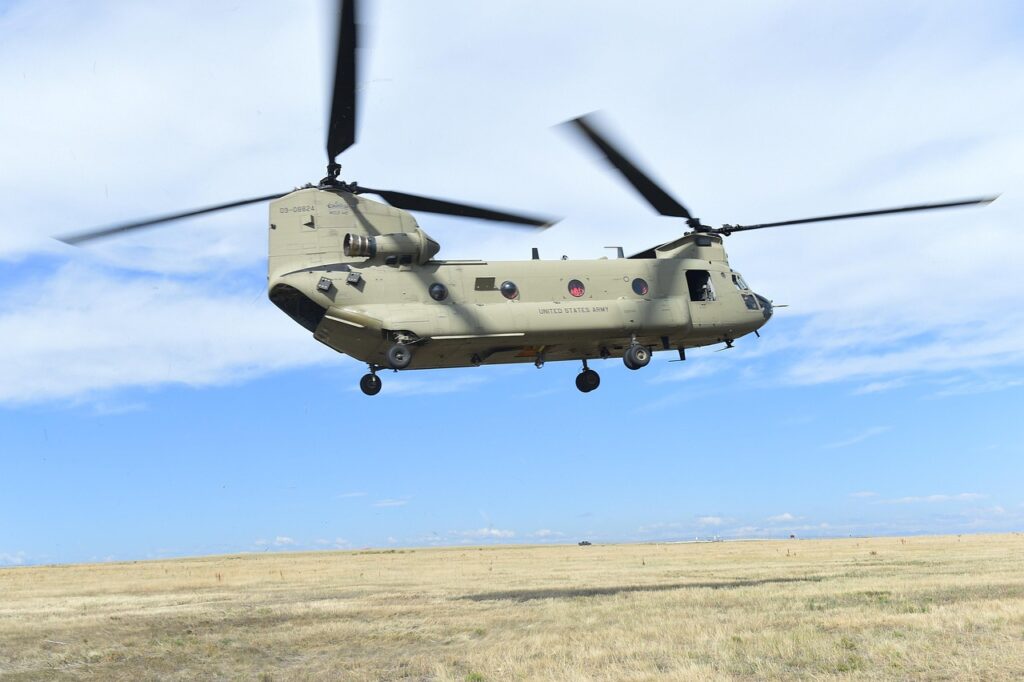
The landscape of the Middle East has been fundamentally altered following two weeks of high-intensity conflict between the United States, Israel, and Iran. What began on February 28, 2026, as a surprise joint campaign dubbed Operation Epic Fury has expanded into a multi-front regional war. The initial strikes, which targeted the heart of the Iranian leadership in Tehran, resulted in the death of Supreme Leader Ayatollah Ali Khamenei and several senior military commanders. This decapitation strike triggered a massive retaliatory response from Iran, involving hundreds of ballistic missiles and thousands of drones launched at Israel and U.S. military installations across the Gulf.
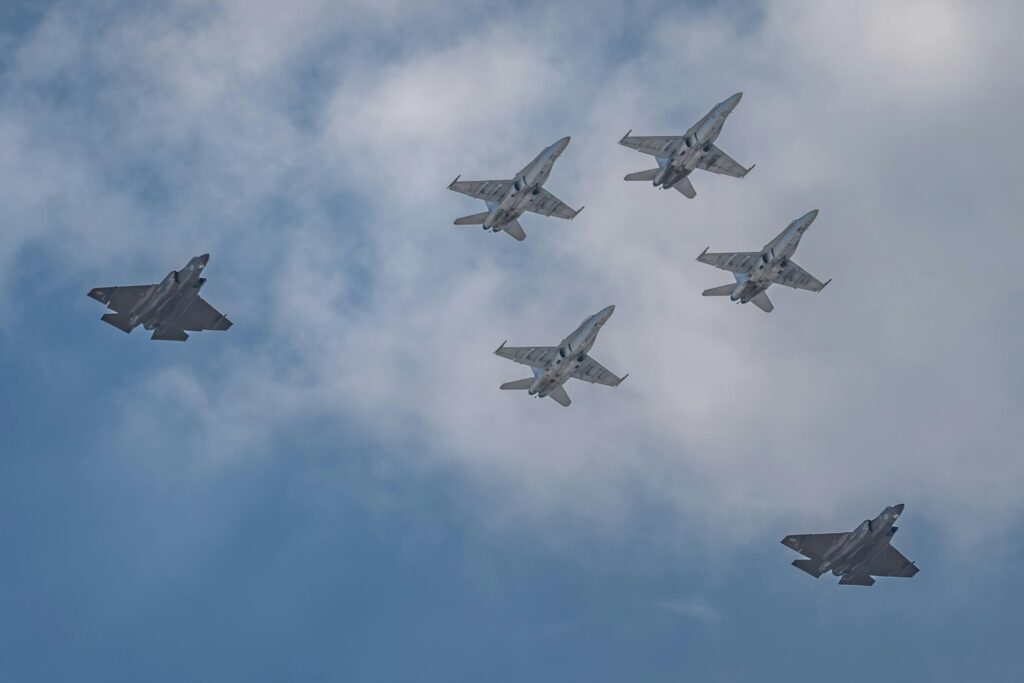
As of today, March 13, 2026, U.S. Secretary of Defense Pete Hegseth has indicated that the air campaign is “ramping up,” with American and Israeli forces conducting the highest volume of sorties since the war’s inception. While the U.S. claims that Iran’s offensive capabilities have been degraded by over 90 percent, the humanitarian and economic toll continues to mount. The Iranian Red Crescent and various human rights organizations report over 2,000 deaths within Iran, including significant civilian casualties. The conflict has also spilled heavily into Lebanon, where Israeli strikes against Hezbollah positions have led to the displacement of hundreds of thousands of civilians and hundreds of deaths.
Strait of Hormuz

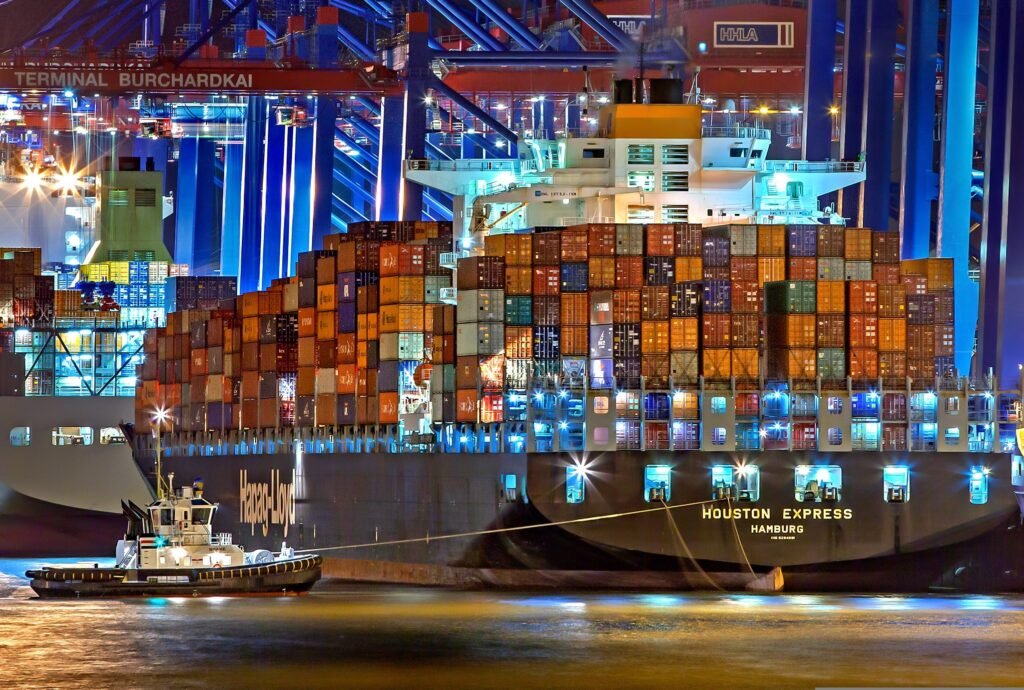
The global economy is reeling from the closure of the Strait of Hormuz, a vital artery for the world’s oil supply. Iran officially declared the strait under its control and closed to any shipping linked to the U.S. or Israel, causing Brent crude prices to surge past $100 per barrel. In response, President Trump has authorized the U.S. Navy to escort commercial tankers and ordered financial guarantees for maritime trade to stabilize soaring energy costs. Despite these measures, the disruption to global trade remains severe, with major airlines grounding flights and international investors reassessing the security of the entire Gulf region.
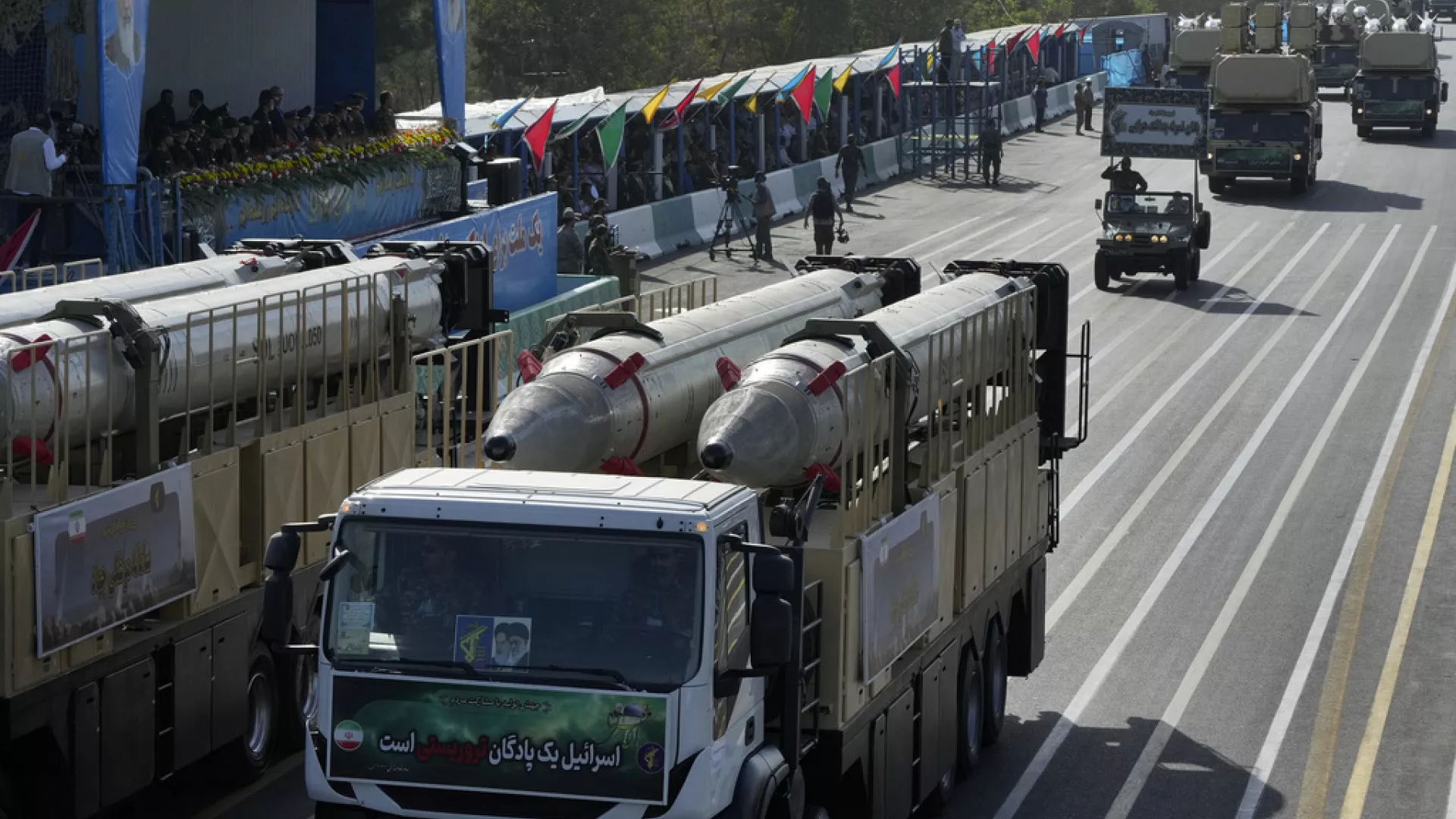
Inside Iran, the political situation is reaching a breaking point. Following the assassination of his father, Mojtaba Khamenei was recently named the new Supreme Leader and issued a defiant first statement vowing to continue strikes on Western assets until U.S. bases in the region are closed. This transition occurs against a backdrop of domestic instability, as the Iranian regime continues to suppress large-scale protests that began earlier this year. While the U.S. and Israel maintain that their objective is to dismantle Iran’s nuclear infrastructure and induce “regime change,” international observers and allies like the UK and France have expressed concern, calling for an urgent resumption of diplomacy to prevent a total regional collapse.